Friday, August 11, 2017

Tena Tena

Not a bad little "sit-ooterie".

Our tent was at the far end of the camp, the last before you are into the bush.

We had a lovely dinner one evening in the middle of the camp, a lively and "liquid" affair swapping stories and laughing with our new friends from Germany and Hull.

When we walked back at 10pm to our tent, there were fresh Leopard tracks in the sand outside!

Grey Heron


Red spells danger

We watched this Leopard hunting for almost an hour one evening.

The guides use a red filter on the spotlight so the lights don't interrupt the hunt. The cardinal sin is to interfere, giving either the hunter or prey an advantage.

The animals can't see the red light so for them it is dark as usual., but for the camera a striking image earie in its colour cast.

Dust bath


The tastiest leaves are always at the top


I'm watching you!


Baboons are very inquisitive creatures and will stare at you intently given half a chance.

As a fellow traveller from Hull in the UK found out they can also be quite defensive.

He had been stood under a tree in which there was a pack of Baboons getting his photograph taken. He said the first he felt was something hitting his hat then, as he looked at the poop that had just hit it, another dollop landed on his arm. The smell was horrendous apparently!

Lantern


Who pays the Ferryman?

To get to Tena Tena we had to cross the river in a small boat. Normally not an issue, but with Hippo all around us the Ranger up front with the .458 was a welcome insurance policy.

Sitting Pretty

A particular favourite - the Little Bee-Eater

An elephant reflects


Crowned Cranes

A pair of Crowned Cranes.

These cranes are omnivores, eating plants, seeds, grain, insects, frogs, worms, snakes, small fish and the eggs of aquatic animals. Stamping their feet as they walk, they flush out insects which are quickly caught and eaten.

Sunset in South Luangwa

Getting great sunset pictures in South Luangwa is like shooting fish in a barrel. All you need to do is wait until 6pm.

Lion portrait


Lion eating

On a full day safari drive we stopped for lunch near the river and just as we were packing up saw a lion emerge from behind a sand bank.

He went for a drink and we drove down to see where he went back to.

It turned out to be two brothers eating a baby hippo. Sadly the one pictured looked pretty old and his teeth were broken meaning he was licking the carcass rather than biting pieces off.

Big Yawn


Hippo


Gennet at night

Getting photos of nocturnal animals is always a challenge, but this year I have been shooting a new Panasonic Lumix FZ200 and apart fro m a few pics where I've bungled the manual focus the low light results are pretty good.

This Gennet was taken using only the light from the tracker's spotlight.

Lilian's Lovebirds

This trip we saw Lilian's Lovebirds everywhere in small flocks.

Their colours are incredible painting the drab  brown of the bush with flashes of bright green and red.

A real tail from the bush

A long tailed Paradise -Wydah shows off its distinctive plumage.

Seats with a view at Flatdogs Camp


Leopard in a tree - but this is no pussy cat

Safaris aren't all about watching big game - there are fascinating plants too, such as this Leopard orchid.

This plant is an epiphyte, which means that the whole plant, roots and all, grow above ground, attached to the branches of trees. The roots, which anchor the plant to the tree, are specially adapted to absorb water and nutrients very quickly.

Sunset over the Valley


Wild Dogs come to say hello

It doesn't get much better than seeing Wild Dogs on the first game drive of a holiday.

Here we saw a pack of around 20 dogs hunting, running through the bush trying to find breakfast.

South Luangwa - Heaven on Earth and home from home

Our 2017 trip took us back to the South Luangwa national park in Zambia, one of our favourite safari areas.

This huge area of more than 9000 square kilometers, known for its abundant wildlife, is simply referred to as "The Valley" by those in the know. Inside the Mfuwe Gate entrance, the river is often crowded with hippos. The woodland savannah is home to hundreds of bird species and herds of elephants and rare Thornicroft’s giraffes.


This trip started out with a few days at Flat Dogs, a camp just outside the park, but perfect for trips into the Southern area. It's a really friendly camp with some wonderful guides who we know from previous trips to the valley.

From there we went North to a bush camp called Tena Tena, a wonderful tented camp on the banks of the Luangwa River owned by the Robin Pope safari company. Here we met safari enthusiasts from Australia, Germany and Hull and had some amazing bush experiences.

After Tena Tena we crossed over to the Western bank of the River and went deeper into the park to stay at Luwi  and  Kakuli, two bush camps run by Norman Carr Safaris. Truly fabulous places to stay for the full on African experience.

We've been to all of these camps before and this was our fifth or sixth trip to the Valley. It really is starting to become a home from home.

2017 South Luangwa, Zambia


Monday, August 01, 2016

Time for a nap.


Thorny lunch


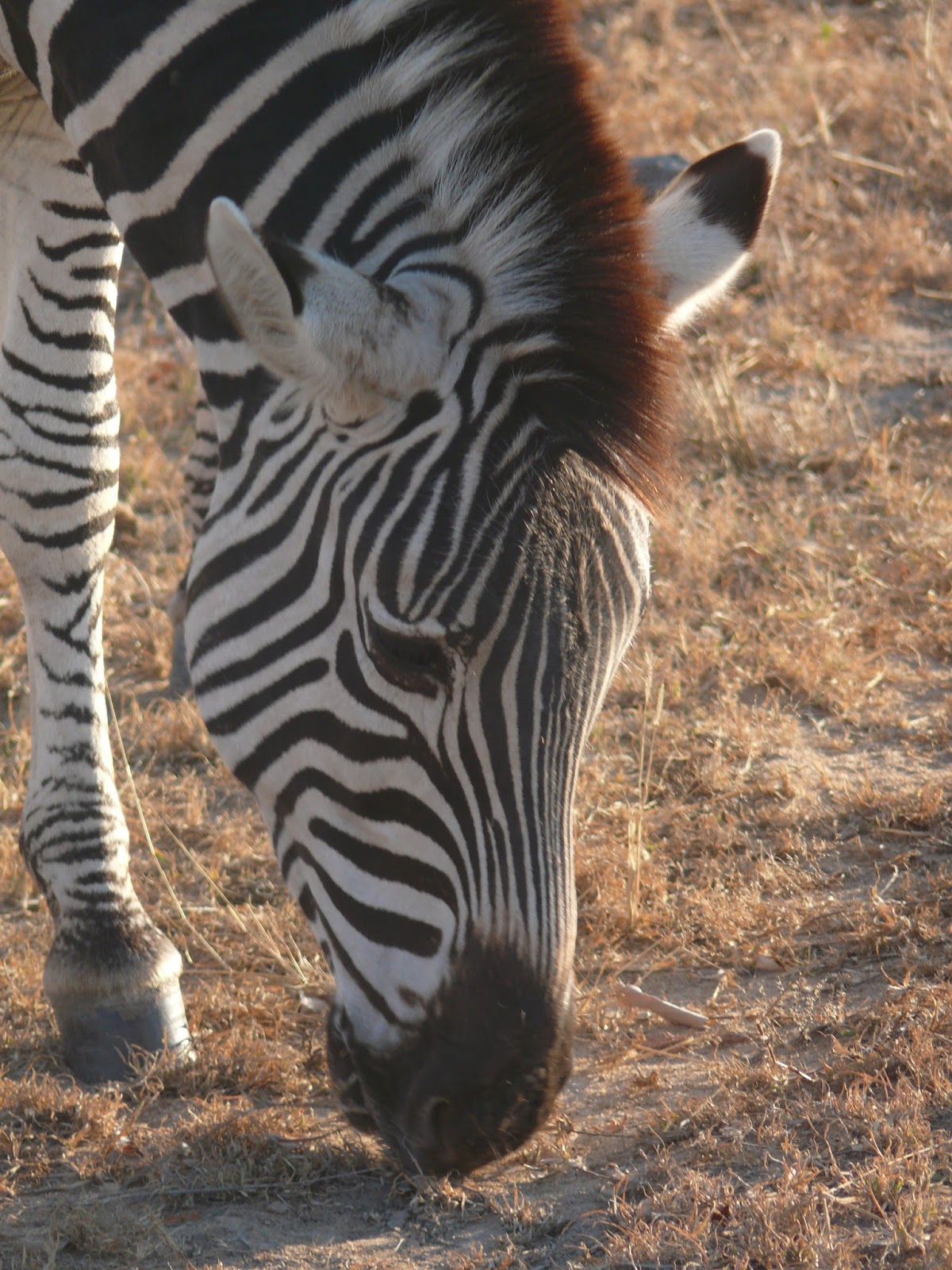
Zebra portrait


Just hanging around II


Just hanging around

The Timbavati is great for Leopard.

We found this one in typical pose on an afternoon drive.

Close encounters of the Rhino kind

You just don't get a better view of a Rhino than the Scout's jump seat on the front of the Land Rover.

This old boy literally brushed past the scouts feet.
Another day and another lovely Rhino.

This chap was very chilled out, happy to be receiving a full manicure from his attendant Oxpeckers

The marketing shot


Impala bones

Even in death there is beauty.

We found the remains of an impala fairly recently killed and eaten.

Leopard print


Whilst out on a walk we found a drying water hole. The mud was still quite wet and  it was clear to see that shortly before a Leopard had taken the same route.

One of the reasons it had decided to get its feet wet was that under the surface of the mud were cat fish trying to bury themselves to survive the oncoming dry season. There were dozens of stranded fish, most half eaten.

Rhino drinking


Just dropping the kids off at the pool

A wonderful sighting of mum and baby white Rhino at a water hole.

Vultures

Vultures nesting

The Aardvark sunset

As the sun went down on another wonderful day in Timbavati little did we know that we'd finally see an Aardvark after more than 20 Safari holidays.

Sadly it was moving fairly quickly and the light levels were too low for a decent picture, but a wonderful memory none the less.

Full Hyena

While out on an evening drive we found this Hyena stuffed so full of a kill it had stolen from a Leopard it could hardly move.
Every breath seemed painful - if only it had some indigestion medicine.

Just nearby we could also se the Leopard hovering waiting for the Hyena to leave so it could retrieve some of its hard earned meal. But this Hyena wasn't planning on moving anywhere for some time.

Fever Tree


Fever Trees glowing against a bright blue sky at Kambaku River Sands

Another mum and baby

Another mum and baby.

Typically, if an elephant can fit underneath its mother’s belly it is under one year of age and very young baby elephants have a thick coating of fur that falls out by the time the elephant is 6 months to 1 year old. So this baby was probably 6 months to a year old.

Sunset over the Klaserie


Wild Dog

Wild Dog are one of our favourites. One of the most endangered animals in Africa it is always a privilege to see them.

In this case they were in a small pack denned on the edge of the nThambo area. We saw them over a period of a few days in various places.

Mum taking the kid for a walk

Mother and calf.

Snoozy Lion

This Lion could hardly keep its eyes open. Tough at the top I guess.

Rhino at dawn

Most wildlife sightings are early morning or dusk, and the light can be stunning. In this case a Rhino almost glows with the soft sunlight of dawn.

Rhino notice board

 Our excellent guide, Isaac shows us a Rhino midden at the side of the road.
Rhino mark their territory with these scraped patches of ground where they also defecate to leave their scent.
It's a bit like a noticeboard in the bush for them.


Moon over the Klaserie

 
African Sky


2016 South African

Our 2016 trip took us to South Africa, to two reserves on the edge of the Kruger national park just to the East of Hoedspuit, Timbavati, which is an old favourite, and the adjacent Klaserie.
This was without a doubt the Rhino trip as we were privileged to see them regularly. One just hopes future generations can enjoy watching these peaceful giants of the bush.

In the Klaserie, our first stop, we stayed at nThambo Tree Camp and in the Timbavati we stayed at Kambaku River Sands - both camps we would strongly recommend.